
Building a Low-Carbon DNS: Technical Innovations at the Edge.
The Domain Name System (DNS) is often called the phonebook of the Internet, but it is also a massive, globally distributed infrastructure that requires significant energy to maintain. As the Internet grows, so does the power demand of the servers and cooling systems required to keep the DNS functioning flawlessly.
A major focus for green technical operations is optimizing how and where DNS queries are resolved. By leveraging Anycast routing, network operators can ensure that a user’s request to resolve a domain name is routed to the closest physical server. This reduces latency, which not only speeds up the user experience but significantly reduces the physical distance data must travel across the global network backbone. Less distance means fewer hops through routers and switches, directly translating to energy savings.
Furthermore, the hardware itself is evolving. Server virtualization and the transition to highly efficient solid-state storage within DNS nodes are lowering the baseline power consumption of these critical resources. Looking ahead, the technical community is exploring ways to dynamically scale DNS resources—powering down redundant nodes during regional low-traffic periods (like the middle of the night) without sacrificing the resilience or security of the network.
Growing the Green ICANN Community: Grassroots Action in Action
While technical upgrades are essential, the heart of the Green ICANN movement lies within its vibrant, multistakeholder community. Policy changes and environmental initiatives are not mandated from the top down; they are built through consensus, shared experiences, and local passion.
The Sustainability Mailing List has become a powerful engine for this grassroots momentum. Daily, network operators, policy analysts, and regional advocates from around the world use this platform to share resources. A success story about a solar-powered community network in Latin America can instantly inspire and inform a similar project in a rural African community.
This cross-pollination of ideas is crucial because sustainability is not a competitive advantage—it is a shared global necessity. The community is actively shifting the culture of Internet governance by organizing local “green tech” meetups, advocating for ESG (Environmental, Social, and Governance) training within tech hubs, and ensuring that environmental impact is considered a foundational element of any new Internet policy discussion.
Sustainable Summits: Rethinking the Environmental Cost of Global Governance
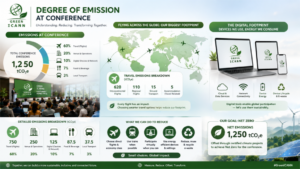
The multistakeholder model relies heavily on bringing diverse voices together to build consensus. Historically, this has meant large-scale, international meetings requiring thousands of attendees to fly across the globe. While the value of face-to-face collaboration is undeniable, the carbon footprint of these summits is one of the most significant environmental impacts of global Internet governance.
A major operational update within the community is the rigorous evaluation of how we gather. The shift toward robust hybrid meeting models is no longer just a temporary measure; it is a permanent evolution. By investing in high-quality, seamless virtual participation tools, we are lowering the barrier to entry for individuals in developing regions while simultaneously drastically cutting down on aviation-related emissions.
For those who must travel, the conversation is shifting toward accountability and mitigation. Discussions are underway regarding centralized carbon-offsetting programs for international delegates, prioritizing venues with strict green certifications, and eliminating single-use plastics at all global forums. The goal is clear: ensure the work of maintaining a free and open Internet does not inadvertently harm the planet we all share.
About The Author



Hi, this is a comment.
To get started with moderating, editing, and deleting comments, please visit the Comments screen in the dashboard.
Commenter avatars come from Gravatar.